A Closer Look at Jamaica’s Most Iconic Food
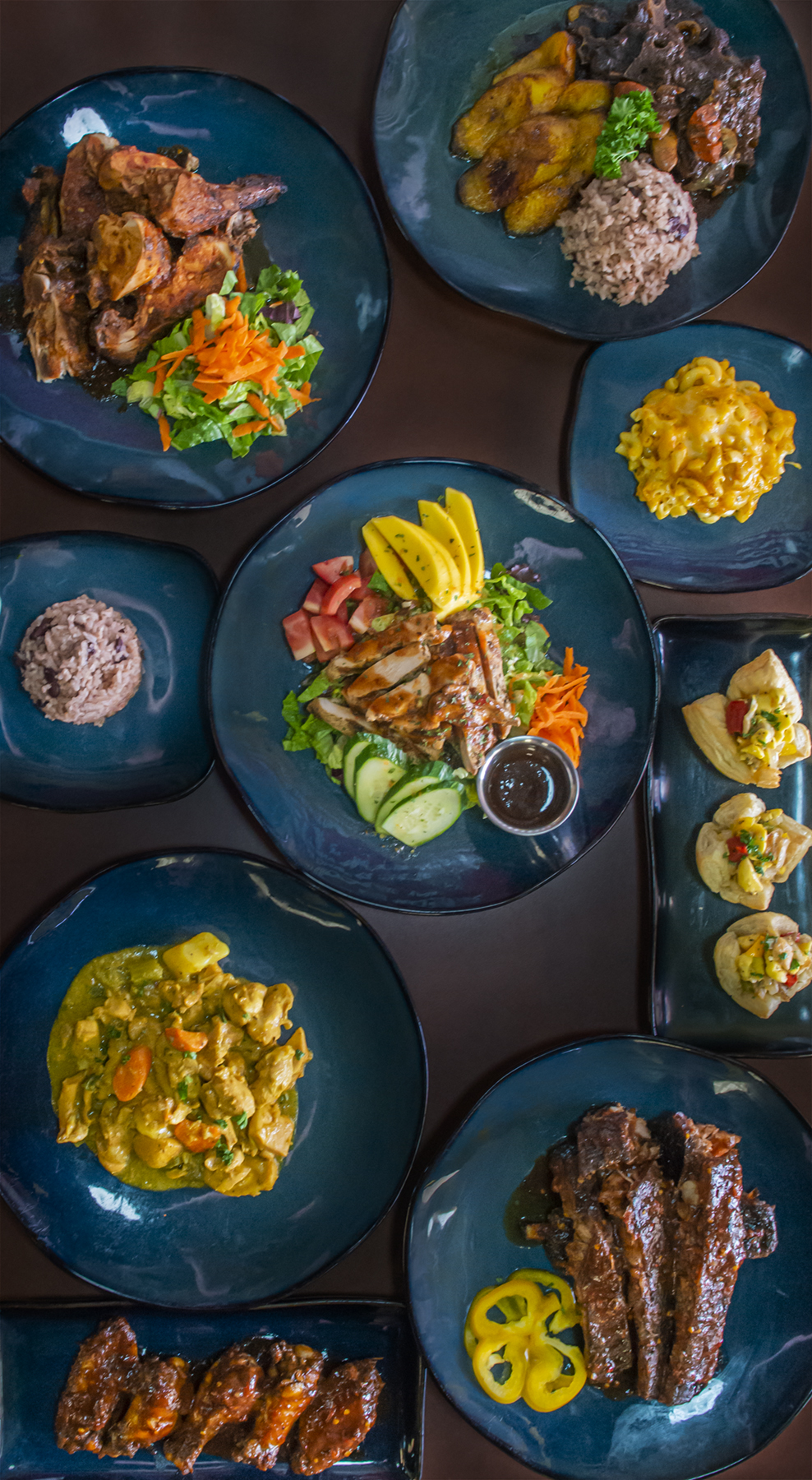
Ask ten people to name Jamaica’s most iconic dish and you will hear a few strong contenders. Jerk chicken usually comes up first, especially outside the island. Patties have global reach and instant recognition. Curry goat has loyal defenders. Yet if the question is not simply what is famous, but what feels unmistakably Jamaican at the deepest cultural level, the conversation keeps circling back to ackee and saltfish.
That answer surprises people who know Jamaican food only through restaurant menus abroad. Ackee and saltfish is not flashy. It does not carry the immediate visual drama of pimento smoke rolling off a roadside jerk pan, or the comforting heft of oxtail and rice and peas served on a Sunday plate. Its power lies somewhere else. It sits at the center of memory, breakfast tables, family routines, labor history, trade routes, and the island’s habit of turning modest ingredients into something layered and complete.
To understand Jamaica through food, it helps to start there, then widen the lens. Jamaica’s most iconic food is not just one recipe. It is a network of dishes that express the island’s history through taste. Some are celebratory, some everyday, some tied to market stalls and beaches, others to church gatherings and long weekend afternoons. Together, they explain why Jamaican food has such unusual force. It is bold, yes, but more importantly, it is rooted.
Why ackee and saltfish carries so much weight
Ackee and saltfish is Jamaica’s national dish, and unlike many national dishes that exist mostly on paper or in tourist brochures, this one is alive in ordinary life. It is cooked in homes, served in small hotels, sold in cookshops, and debated with the seriousness reserved for food people grow up with. One cook swears by more tomato, another insists tomato muddies the flavor. Some want the ackee soft and barely stirred, others like it a little firmer. These arguments are not trivial. They are signs of ownership.
Ackee itself has an unusual story. The fruit came from West Africa and took root in Jamaica so thoroughly that it became inseparable from the island’s identity. Saltfish, usually salted cod, arrived through colonial trade systems and the economics of preserved food. On paper, it sounds like an improvised pairing. In the pan, it makes complete sense. The saltfish brings savor and structure. The ackee, when properly cooked, is delicate, buttery, and almost egg-like in texture. Onion, scallion, thyme, Scotch bonnet, black pepper, and often tomato tie the dish to the broader grammar of Jamaican seasoning.
What makes the dish iconic is not just symbolism. It is balance. Salted cod can easily dominate if the cook does not soak and simmer it with care. Ackee can break apart if handled too aggressively. Scotch bonnet can brighten the dish or overwhelm it. A good plate feels measured. You get salinity, sweetness from sautéed onion, herbal lift from thyme, soft richness from the ackee, and enough heat to sharpen every bite without flattening the subtler notes.
I have seen visitors approach ackee and saltfish expecting spectacle and then go quiet halfway through the plate. That is usually the moment they realize Jamaican food is not only about heat or smoke. It is about composition. The best versions reveal restraint, which is not always what outsiders expect from a cuisine known for strong seasoning.
The dish is simple only if you have never cooked it
Ackee and saltfish is often described as straightforward, but that description leaves out the judgment it requires. Saltfish needs desalting, but not to the point of blandness. Ackee, whether fresh, canned, or frozen, demands attention to texture. Fresh ackee must be fully and safely opened before use, because unripe ackee is dangerous. That point matters. This is one of those dishes where inherited kitchen knowledge has practical value, not just sentimental value.
Then there is the question of fat. Some home cooks use only enough oil to carry the aromatics. Others let the saltfish render into a richer base. Pepper is another fault line. A whole Scotch bonnet perfuming the pan gives a different result than chopped pepper stirred directly into the dish. Both can be excellent. The choice depends on the audience and the meal around it.
Breadfruit, fried dumpling, boiled green banana, roasted yam, and callaloo often appear alongside ackee and saltfish. Those pairings are not random starches on the edge of the plate. Each one changes the way the dish lands. Fried dumpling adds chew and a little indulgence. Boiled banana pulls the meal toward the earthy and sustaining. Breadfruit, especially when roasted over open flame, adds smoke and a faint nuttiness that works beautifully with the salted fish. This is one reason Jamaican breakfasts can feel so complete. They are built around contrast.
Jerk might be the most famous, but fame and centrality are not the same
If ackee and saltfish is the soul of Jamaican food, jerk is its loudest ambassador. Few cooking traditions travel as well as jerk. The smell alone can stop conversation. Pimento wood smoke, allspice, thyme, scallion, Scotch bonnet, garlic, and a dark marinade clinging to chicken or pork create one of the most recognizable flavor profiles in the Caribbean.
Still, jerk is often simplified outside Jamaica. Many people use the word as if it means any spicy grilled meat with a sweet-hot sauce. Traditional jerk is more specific than that. It is technique as much as seasoning. The roots lie in methods developed by the Maroons, who preserved meat and cooked it slowly, often in covered pits, using local spices and smoke. The result is not merely hot. It is aromatic, deep, and layered with bitterness, sweetness, spice, and char.
Real jerk also lives on a spectrum. A roadside jerk pan in Boston Bay offers one experience. A city cookshop serving jerk chicken chopped to order with festival and a little extra gravy offers another. Jerk pork, when done right, is especially revealing. The fat carries the spice differently, and the smoke seems to settle deeper into the meat. Good jerk should taste seasoned beyond the surface. When you bite into the center, the flavor should still be there.
This distinction matters because jerk has become the international face of jamaican food. That visibility is valuable, but it can distort the picture. A cuisine cannot be understood through its export star alone. Jerk is essential, but so are the quieter dishes that Jamaicans eat when nobody is trying to impress a visitor.
Patties tell a different story about icon status
The Jamaican patty occupies a completely different corner of the food landscape. It is portable, affordable, and democratic. Schoolchildren eat them. Office workers grab them at lunch. Travelers buy them in transit. People swear loyalty to their preferred bakery with the kind of conviction usually reserved for sports teams. Beef remains the benchmark, but chicken, vegetable, and saltfish patties have their own followings.
A great patty is a study in texture. The crust should shatter lightly, not crumble into dust. It should hold together long enough to contain the filling, but still feel tender. The filling should be moist, assertively seasoned, and evenly distributed. Too often, inferior patties disappoint in predictable ways. The pastry goes thick and dry, or the filling turns pasty and over-salted. When the balance is right, though, the appeal is obvious. You get richness, spice, warmth, and convenience in one hand.
There is also a social dimension to the patty that deserves attention. Iconic foods are not always the grandest or most ceremonial. Sometimes they are the ones people rely on repeatedly, across age groups and income levels. A patty and coco bread is not just a snack. It is a ritual, a small lesson in how Jamaican flavor enters everyday life without fanfare.
Sunday plates, celebration food, and the long shadow of rice and peas
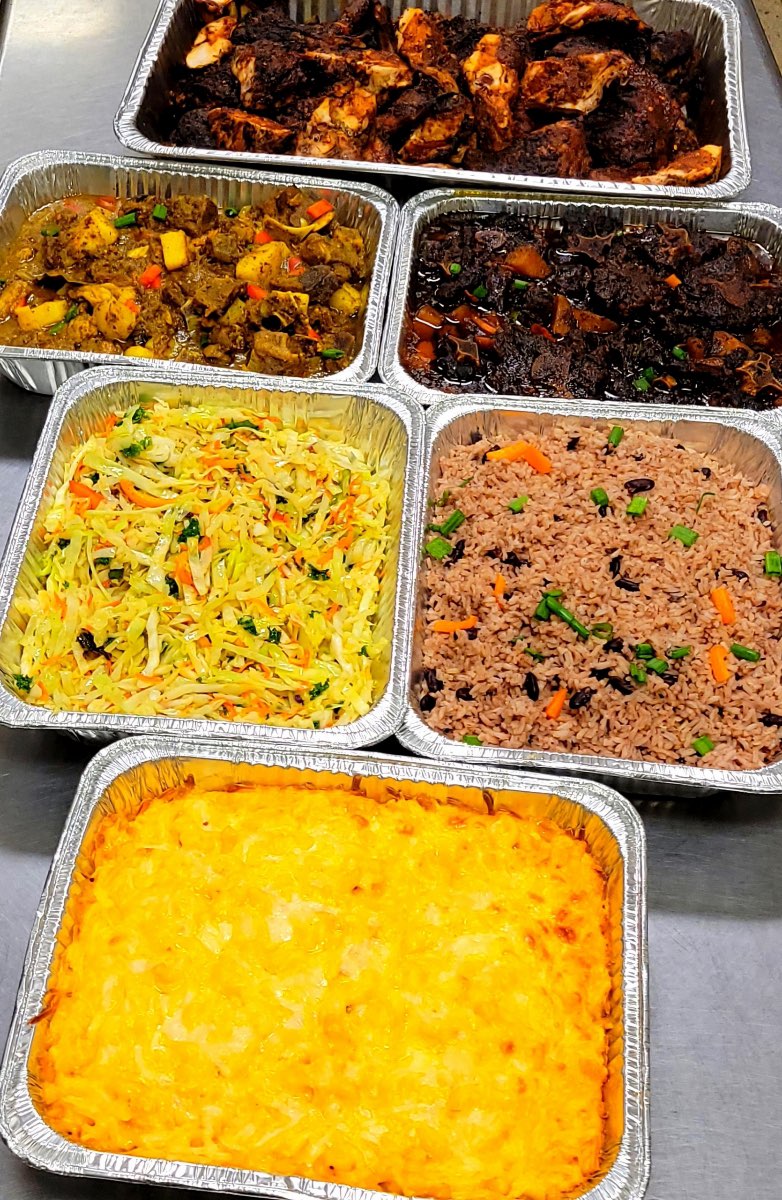
For many families, the emotional center of the week is not breakfast but Sunday dinner. That is where dishes like brown stew chicken, oxtail, curry goat, and fried fish take on almost ceremonial importance. Rice and peas anchors many of these meals, and calling it a side dish understates its role. In Jamaica, rice and peas is often built with coconut milk, thyme, scallion, Scotch bonnet, and red peas, which many people elsewhere call kidney beans. It is fragrant, rich, and integral to the meal’s architecture.
Oxtail has grown into something of a status dish, partly because it is now expensive in many markets. In Jamaica and across the diaspora, a good oxtail plate signals patience and skill. The meat should be deeply braised, soft enough to yield without shredding into mush. The gravy should cling rather than run. Butter beans are common in the pot, not as filler, but as part of the dish’s texture and body.
Curry goat plays by different rules. Jamaican curry, influenced by Indian indentured laborers and adapted through local ingredients and preferences, tends to be warmer and more rounded than many people expect. The goat needs proper cleaning and enough time for the connective tissue to relax. Undercooked curry goat is a https://www.google.com/maps?cid=36489603840858277 waste of money and appetite. Properly done, it carries spice in layers rather than spikes.
These dishes matter because they show the breadth of jamaican food beyond the tourist shortlist. They are not incidental. They are part of what people cook for company, for family, for Sundays, for moments when feeding others is both duty and pleasure.
The seasoning logic behind Jamaican food
One of the reasons Jamaican cuisine is so memorable is that it follows a seasoning logic that repeats across many dishes without making them taste the same. Scallion, thyme, garlic, onion, ginger, pimento, Scotch bonnet, black pepper, and sometimes browning form part of a shared vocabulary. The combinations shift depending on the protein, cooking method, and mood of the dish.
This is where professional skill becomes visible. Anyone can add more spice. Judgment lies in knowing when not to. Escovitch fish, for example, needs brightness and bite from vinegar, onion, carrot, and pepper. Too much sweetness would make it drag. Brown stew benefits from caramelized notes and a fuller gravy. Steamed fish asks for gentler handling so the broth, vegetables, and fish remain distinct. Manners of seasoning reveal what the dish is trying to be.
Scotch bonnet deserves special mention because it is often misunderstood. Its heat is serious, but heat is only half the story. A ripe Scotch bonnet has a fruity aroma that can transform a pot even when left whole. Good Jamaican cooks use it strategically. They know when to let it perfume and when to let it speak plainly.
Seafood, ground provisions, and the island on the plate
Jamaica’s iconic foods are often discussed through meat dishes, but seafood and ground provisions tell just as much of the story. Escovitch fish, especially whole fried fish topped with pickled vegetables, is one of the island’s finest examples of contrast. Crisp skin, tender flesh, hot pepper, vinegar bite, and sweet onion all arrive together. Served with bammy or festival, it becomes a complete argument for the coastal side of the cuisine.
Bammy deserves more respect than it gets. Made from cassava, it carries a long history and a subtle flavor that makes it especially effective with fish. It does not compete. It supports. Festival, by contrast, leans slightly sweet and soft, a clever foil for spicy or acidic foods. Put a plate of escovitch fish between bammy and festival and you can see how Jamaican meals often balance sharpness, starch, fat, and heat without overexplaining themselves.
Then there are the ground provisions, yam, coco, cassava, green banana, dasheen, and breadfruit. These foods do not always get top billing, but they are foundational. They connect the cuisine to agricultural life and to the practical need for hearty, sustaining food. Their presence changes the rhythm of a meal. A plate with boiled provisions eats differently from a plate with just rice. It slows you down. It asks for appetite of a different sort.
Street food and the power of memory
If you want to understand what becomes iconic, pay attention to what people remember after the meal is over. Often it is not the most expensive dish. It is a bag of peppered shrimp bought near the roadside, a piece of roast corn rubbed with butter, a slice of bun with thick cheese at Easter, or a cup of soup on a rainy day.
Soup matters more in Jamaica than many outsiders realize. Saturday soup, whether red peas soup, chicken foot soup, or mannish water in certain contexts, carries social meaning. It is restorative, communal, and practical. Red peas soup in particular can be almost a meal in itself, with dumplings, provisions, meat, and beans building a bowl with real gravity.
Memory also explains the staying power of porridge. Cornmeal porridge, peanut porridge, and plantain porridge are not often the dishes that headline glossy travel features, but they shape early taste and daily routine. They are part of the infrastructure of appetite. In many cuisines, iconic status comes from spectacle. In Jamaica, it often comes from repetition and emotional attachment.
What visitors often miss
Visitors sometimes approach Jamaican cuisine looking only for intensity, as if every plate should hit with maximum heat and smoke. That expectation can flatten the experience. Some of the best Jamaican cooking is gentle. Run down, for instance, especially with mackerel cooked in coconut milk, can be rich, savory, and subtle. Pepper shrimp may shout, but callaloo can murmur. Both belong.
Another common misunderstanding is the idea that authenticity means roughness or inconsistency. In reality, the best Jamaican cooks are often precise. They know how long to soak cod, when to add thyme, how dark to let the browning go before bitterness creeps in, how to keep fried fish crisp under escovitch topping, how to let rice steam without turning sticky. None of that happens by accident.
Tourist areas can also skew perception. Menus designed for short stays tend to repeat the same handful of dishes. Those dishes are often good, but they are only a slice of the picture. Spend time around local bakeries, markets, family kitchens, and ordinary lunch spots and the cuisine broadens quickly. You start to notice which foods are aspirational, which are practical, and which are simply beloved.
If one dish must stand for the island
If forced to choose one dish that best symbolizes Jamaica, ackee and saltfish still makes the strongest case. It expresses the island’s layered history without turning that history into a museum display. It relies on imported and African-rooted ingredients transformed in a distinctly Jamaican way. It appears in daily life, not only in staged settings. It rewards care, skill, and confidence. Most importantly, it tastes like Jamaica rather than just sounding like it.
That does not diminish jerk, patties, or the many other dishes that define the cuisine. In truth, Jamaica’s food identity is too rich to be reduced neatly. Jerk carries the drama. Patties carry the everyday. Rice and peas carries the family table. Escovitch carries the coast. Soup carries comfort. But ackee and saltfish sits in a rare position, where cultural symbolism and actual eating life meet.
That is usually the real test of iconic food. Not whether it photographs well, or sells abroad, or appears most often in travel guides. The dish that lasts is the one people return to, argue about, crave when they are away, and judge with high standards because it means something personal. By that measure, Jamaica has several icons. Ackee and saltfish simply stands closest to the center.
Reggae Pot Jamaican Grill
7562 S University Blvd C, Centennial, CO 80122
(303) 997-5623
FAQ About jamaican food
What is the best Jamaican food to try in Centennial?
The best choice depends on your preferences. Reggae Pot Jamaican Grill offers jerk chicken, curry goat, oxtail, and escovitch snapper, along with sides such as rice and peas and fried plantains. Ask the restaurant about current availability and spice levels before ordering.
Is Jamaican food very spicy in Centennial?
Heat varies by dish and preparation. Jerk dishes can be hot, while some stews and sides are milder. Tell the restaurant your preferred heat level and ask which options suit you.
What is typically on a Jamaican menu?
Common choices include jerk chicken, curries, oxtail, fish, patties, rice and peas, and plantains. Reggae Pot also lists ackee and saltfish and vegetable dishes. Menus and availability can change, so confirm your choices when ordering.