How a Pizza Restaurant Adapts to Changing Food Trends
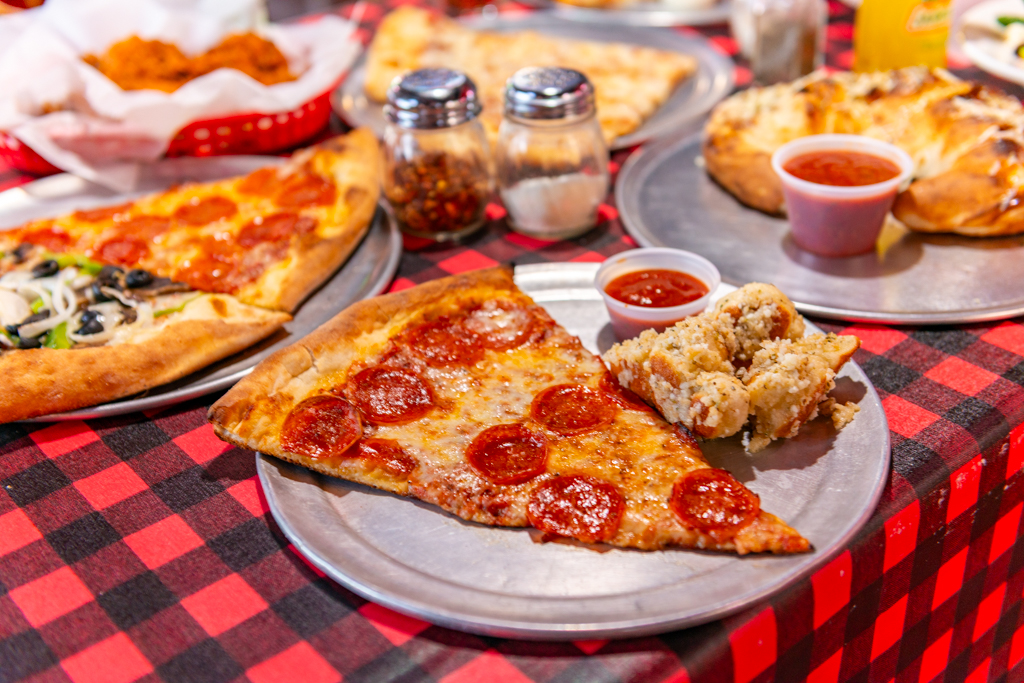

The pizza business looks simple from the sidewalk. A familiar sign, a hot oven, a menu built around dough, sauce, and cheese. From the inside, it is one of the clearest case studies in how a restaurant survives by changing carefully, not constantly. Food trends move fast. Ingredient costs jump. Customer expectations shift without much warning. A pizza restaurant that ignores those changes starts to feel stale long before the owner notices the sales reports.
What makes pizza such an interesting category is its flexibility. Most restaurants have to rework the whole menu to respond to a trend. Pizza can absorb change through toppings, dough style, portioning, sauces, beverage pairings, packaging, and service format. That flexibility is a gift, but it can also tempt operators into chasing every novelty that appears on social media. Smart adaptation is less about reacting quickly and more about deciding which changes fit the brand, the kitchen, and the neighborhood.
I have seen pizzerias hurt themselves by adding too much too fast. I have also seen operators revive a tired business with just three or four disciplined updates: a better gluten-conscious offering, a cleaner online ordering experience, a stronger lunch strategy, and seasonal ingredients that made the menu feel alive again. The difference was not trend awareness alone. It was judgment.
Trends do not arrive all at once
Customers rarely walk in and announce that their https://rafaelbfbx288.halcyonledger.com/posts/traditional-vs-modern-inside-today-s-pizza-restaurant-trends preferences have changed. The shift usually appears in fragments. One table asks for dairy-free cheese. A family wants one pie with classic pepperoni and another with vegetables from the local farm stand. Weeknight traffic softens, but takeout rises. Guests start asking whether the crust is sourdough, whether the sausage is house-made, whether there is a lower-carb option, whether the restaurant uses compostable boxes.
An experienced operator learns to read patterns early. A single request can be noise. Thirty similar requests over six weeks is a signal.
The most important distinction is between a trend and a lasting expectation. Hot honey on pizza was a trend that, in many markets, turned into a durable menu item because it delivered clear flavor and broad appeal. Cauliflower crust, by contrast, landed unevenly. In some neighborhoods, it became a reliable seller. In others, it created kitchen complexity without enough repeat demand. Plant-based meat follows the same rule. In a dense urban area with a younger customer base, it may justify permanent placement. In a suburban family operation, it may sell better as a limited trial than as a core item.
A pizza restaurant adapts best when it treats trends as testable hypotheses, not mandates.
The menu is the first place change becomes visible
Menu adaptation is where owners often overcorrect. They want to look current, so they add six specialty pies, three crust options, and a shelf of premium toppings. The result is a menu that is harder to execute and less coherent to the guest. Pizza kitchens thrive on rhythm. Every added variation can slow service, complicate prep, and raise waste.
The stronger move is usually selective expansion. If guests are leaning toward lighter, fresher, or more transparent food, the restaurant does not need to abandon comfort. It can sharpen the menu around better ingredients and clearer choices. That might mean a seasonal pizza with blistered zucchini, lemon ricotta, and basil in summer, then switching to roasted squash, sage, and brown butter notes in colder months. It might mean offering a smaller personal pie at lunch for customers who want portion control without sacrificing quality.
There is also a practical side to trend-driven menu development that customers do not always see. Every new topping affects inventory turns, refrigeration space, prep labor, and training. If a pizza restaurant adds burrata because guests are asking for it, the kitchen has to know exactly how much to order, how long it holds, how it plates, and whether the extra cost belongs on a whole pie, an appetizer, or both. Burrata sounds like a simple upgrade until two unopened cases expire in a slow week.
That is why good menu adaptation often looks modest from the dining room. The guest sees a fresh option. The operator sees a full chain of decisions behind it.
Health has become broader than low calorie
Years ago, restaurants often treated health trends as a narrow request for less cheese or fewer carbs. That frame no longer holds. For many guests, healthier eating now means ingredient quality, balance, digestibility, customization, and transparency rather than strict deprivation.
A pizza restaurant can meet that demand in ways that still respect the identity of the food. Better flour, longer fermentation, house vegetable prep instead of watery canned shortcuts, leaner proteins, brighter salads, and sensible portion options all matter. So does honest language. Guests can tell when a menu uses wellness terms as decoration.
Long-fermented dough is a good example. It has become more common not because customers want technical bakery language but because they notice how a crust tastes and feels. A dough fermented for 24 to 72 hours can offer better flavor development and, for some customers, a more pleasant eating experience. That does not make it a medical claim, and responsible operators avoid presenting it that way. Still, it reflects a wider trend: people want indulgent foods that feel more thoughtful.
Gluten-free options require especially careful handling. Demand is real, but so is the risk of overpromising. A pizza restaurant that offers a gluten-free crust should be clear about cross-contact realities if the same oven and prep area are used for wheat flour. Guests with a preference and guests with celiac disease are not making the same request. Respect begins with precision.
The same goes for dairy-free and plant-based options. A vegan cheese substitute that melts poorly and tastes flat can do more damage than not offering one at all. When these items are added, they need testing under real service conditions. A topping that works in a staff tasting can fail badly in a delivery box after twenty minutes.
Local sourcing sounds simple until it hits the prep table
Customers like local ingredients, and for good reason. Better produce often tastes better, tells a stronger story, and connects the restaurant to the community around it. For a pizza restaurant, local tomatoes in peak season, regional mushrooms, small-farm sausage, or a nearby creamery's mozzarella can set the product apart.
The challenge is consistency. Local sourcing works best when the menu is flexible enough to absorb natural variation. A pizzeria that prints rigid descriptions and builds its reputation on year-round sameness may struggle with seasonal supply. A restaurant that trains staff to talk comfortably about changing toppings can turn that same variation into an asset.
One operator I know built a late-summer pie around sweet corn, roasted cherry tomatoes, scallions, and a local soft cheese. It sold out almost every weekend, not because it was fashionable, but because it tasted like the season people were already in. When October came, the restaurant did not force the pie to continue with inferior produce. It retired it cleanly and brought in roasted mushrooms and fontina. That discipline matters. Guests respect a special more when it behaves like a special.
Local sourcing also has to survive food cost reality. Premium produce can support premium pricing if the experience is strong enough. But not every market accepts the same ceiling. A neighborhood slice shop serving office workers at lunch has different room to maneuver than a destination wood-fired pizzeria in an affluent district. Adapting to food trends means understanding not only what people say they want, but also what they will reorder at your price point.
Delivery changed the way pizza is designed
Few restaurant categories were altered by off-premise dining as deeply as pizza. At first glance, that should have favored every operator equally. In practice, delivery and takeout widened the gap between pizzerias that engineered for travel and those that simply boxed the dine-in product and hoped for the best.
A pizza that comes out beautiful on a plate can arrive limp, steamed, and disappointing fifteen minutes later. Crust structure, cheese coverage, sauce volume, box venting, cut size, and hold time all influence the result. Adapting to food trends now includes adapting to the way food is consumed. Many customers no longer separate product quality from packaging quality. They judge the whole experience.
That has pushed pizza restaurants to rethink more than third-party delivery partnerships. It has changed menu architecture. Some operators reduce the number of delicate toppings on delivery-only pies. Others create specific pizzas that travel well, with sturdier crusts or less moisture-heavy vegetable combinations. Side dishes matter too. Salads packed with warm items on top of greens wilt before they arrive. Fried starters lose value quickly unless the packaging is right.
Technology sits inside this shift, but the point is not technology for its own sake. Online ordering should make customization clear, prevent kitchen errors, and steer guests toward combinations that actually work. If a guest can add six wet toppings to a thin crust with extra cheese and then complains that the center sagged, the restaurant has a menu-design problem as much as a customer-service problem. The best systems gently guide decisions without feeling restrictive.
Plant-based demand is real, but execution decides whether it lasts
Many operators first encountered plant-based eating as a niche request. It has moved well beyond that. Some guests are fully vegan. Others are reducing meat for cost, health, environmental, or personal reasons. Many simply want more vegetable-forward dishes that do not feel like compromises.
Pizza is well positioned here because vegetables have always belonged on the menu. The adaptation is not merely swapping in imitation products. It is treating meatless choices as first-class food. Roasted mushrooms with garlic and thyme, charred broccolini, caramelized onions, marinated artichokes, spicy peppers, olives, and fresh herbs can build a pizza with real character. If the only vegetarian option is a dull "veggie deluxe" piled indiscriminately with watery produce, the restaurant is not actually responding to the trend. It is checking a box.
Plant-based proteins and cheeses can still play a role, but they need scrutiny. Some alternatives carry high ingredient costs, inconsistent supply, or performance issues in high-heat ovens. A pizza restaurant should test how they bake, how they reheat, and how they read on the menu. There is little value in offering a vegan sausage that tastes good only for the first five minutes after it leaves the oven.
There is also an identity question. A classic New York slice shop may not need a full plant-based rebrand to serve changing tastes. It may need one strong vegan pie, a reliable dairy-free cheese option, and better vegetable prep. Adaptation works best when it respects the original promise of the business.
Younger customers want customization, but they also want confidence
A common mistake is assuming that more options automatically create a better guest experience. Too many build-your-own choices can produce indecision in the dining room and bottlenecks in the kitchen. Customers do want control, but they also want curation. They like knowing the restaurant has taste.
That is why the strongest modern pizza menus balance signature pies with customization. A guest who wants total control can have it. Another guest can order a house favorite that feels intentional and proven. This matters especially with younger diners who are adventurous but not always patient. They expect flexibility, yet they also respond to a menu that helps them discover combinations they would not build alone.
There are a few practical rules that tend to work:
- Keep the core menu stable enough that regulars can rely on it.
- Use specials to test trends before granting them permanent status.
- Price add-ons in a way that protects margins without punishing customization.
- Train staff to explain flavor combinations, not just recite ingredients.
- Remove weak sellers quickly, even if they looked promising on paper.
These decisions affect culture as much as sales. When a team sees that menu changes are thoughtful and measured, execution stays stronger. When the menu changes every month because of outside hype, standards slip.
Beverage and dessert trends matter more than many pizzerias think
Pizza operators often focus so heavily on the pie that they underuse two of the easiest tools for increasing guest satisfaction and average check: beverages and dessert. Food trends have changed both categories. Customers are more interested in local craft beer, lower-alcohol drinks, natural wines, better nonalcoholic choices, and desserts that feel made rather than merely purchased.
For a pizza restaurant, this is an opportunity. A crisp lager, a light Italian red, a sparkling bitter soda, or a house lemonade can shape the whole meal. So can a dessert that reflects the same care as the savory side, whether that is tiramisu made in-house, olive oil cake, or a seasonal soft serve collaboration with a nearby producer. Guests notice when the menu feels considered end to end.
Nonalcoholic beverages deserve special attention. This category has grown because customers increasingly want something more interesting than fountain soda but less heavy than beer or wine. A well-chosen selection of sparkling teas, shrubs, citrus spritzes, or quality zero-proof aperitifs can make a restaurant feel current without changing its kitchen at all.
Sustainability is no longer a side note
For some guests, sustainability influences where they order as much as what they order. They look at packaging, ingredient sourcing, food waste, and even portion sizing. Pizza restaurants have particular visibility here because so much of the product leaves in boxes. The box is a statement, whether the operator intends it or not.
Compostable or recyclable packaging can help, but only if it performs. A flimsy container that wrecks the food is not a win. The more meaningful sustainability gains often come from quieter operational choices: tighter dough forecasting, better use of trim in sauces or staff meal, smaller special batches, and menu designs that cross-utilize ingredients intelligently.
One pizzeria cut waste significantly by simplifying its specialty pie count and using overlapping seasonal toppings in salads and starters. The customer saw a cleaner menu. The kitchen saw less spoilage and faster prep. This is one of the recurring truths in restaurant adaptation. The changes that look modern to the guest often work because they also make the back of house more disciplined.
Social media influences demand, but it should not run the kitchen
There is no denying the effect of visual food culture. A pizza with dramatic crust rise, bright green basil, chili oil sheen, or a cheese pull built for the camera can drive traffic. Yet social media creates a dangerous feedback loop when operators start designing food mainly for photographs.
Some trends are worth following because they improve the product and create buzz. Others produce one-time curiosity with poor repeat value. A good example is oversized novelty toppings or gimmick-laden pies that are difficult to eat, difficult to box, and impossible to execute consistently during a rush. They attract attention, but they rarely build a business.
A pizza restaurant needs a filter. Ask whether the trend improves flavor, supports margins, works in service, and matches the brand. If it fails any of those tests, the short burst of online interest usually is not worth the operational stress.
That does not mean marketing should be old-fashioned. It means the product must lead. A simple behind-the-scenes video of dough being stretched, a seasonal pie coming out of the oven, or a cook finishing a pizza with local herbs often performs better over time than a stunt item because it reinforces trust. People want to see craft, not just spectacle.
Labor pressure shapes trend adoption more than guests realize
Many menu trends look exciting on paper and collapse under labor conditions. If a pizza restaurant is already struggling to hire experienced cooks or maintain consistency across shifts, highly intricate new items can create more damage than value. This is one reason the most successful adaptations often simplify one area while expanding another.
A kitchen might reduce appetizer complexity in order to add a premium dough program. It might cut underperforming salads to free prep time for a better vegan offering. It might limit weekday lunch specials so the team can handle online orders more accurately during peak hours.
This kind of trade-off rarely appears in consumer-facing conversations, but it is central to good decision-making. Restaurants do not adapt in a vacuum. They adapt with actual people, actual ovens, actual prep tables, and actual Saturday night pressure. A trend is only useful if the team can execute it cleanly when the printer is spitting tickets.
The strongest pizza restaurants evolve without losing their center
There is a temptation in hospitality to frame change as reinvention. Most of the time, that is not what guests want from a neighborhood pizzeria. They want continuity with proof of life. They want the place they trust to feel awake, not unrecognizable.
That balance is what separates durable operators from reactive ones. A pizza restaurant can add seasonal vegetables, improve its dough process, introduce plant-based choices, refine its beverage program, and tighten its packaging while still feeling like the same place. In fact, the best adaptations make the original concept clearer. They remove the stale parts and reinforce the strengths.
Customers can sense when change comes from confidence. They can also sense when it comes from panic.
Food trends will keep moving. Some will disappear after a season. Others will become ordinary expectations, so embedded that future guests will not think of them as trends at all. The job of the operator is not to predict every shift perfectly. It is to build a restaurant nimble enough to test, disciplined enough to say no, and grounded enough to know what should never change.
In pizza, that foundation is usually straightforward: honest dough, balanced sauce, careful baking, a menu with purpose, and service that respects the guest's time and appetite. Everything else can evolve around that core. That is how a pizza restaurant stays current without becoming unsteady.
RUFFRANO'S HELL'S KITCHEN PIZZA Security
385 Main St, Colorado Springs, CO 80911
(719) 390-4355
FAQ About pizza restaurant
Is there a Hell's Kitchen pizza restaurant in Security-Widefield?
Yes. Ruffrano's Hell's Kitchen Pizza has a Security-Widefield location at 385 Main St.
Where can I find pizza delivery in Security-Widefield?
Ruffrano's Security location offers online ordering. Enter your address at checkout to check delivery availability and fees.
Where can I find gluten-free pizza in Security-Widefield?
Ruffrano's menu lists a 12-inch gluten-free option. Call the Security location to confirm availability and ask about shared equipment if cross-contact is a concern.